Back to Blog

6.4 Power Stroke Problems Every Ford Super Duty Owner Should Know

08/10/2026
    6.4 Power Stroke Problems Every Ford Super Duty Owner Should Know Image

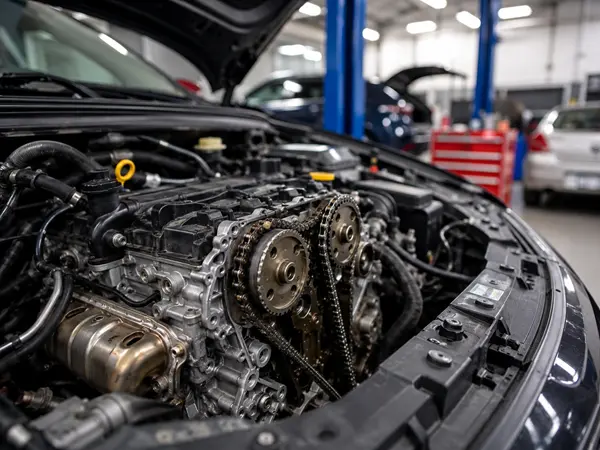
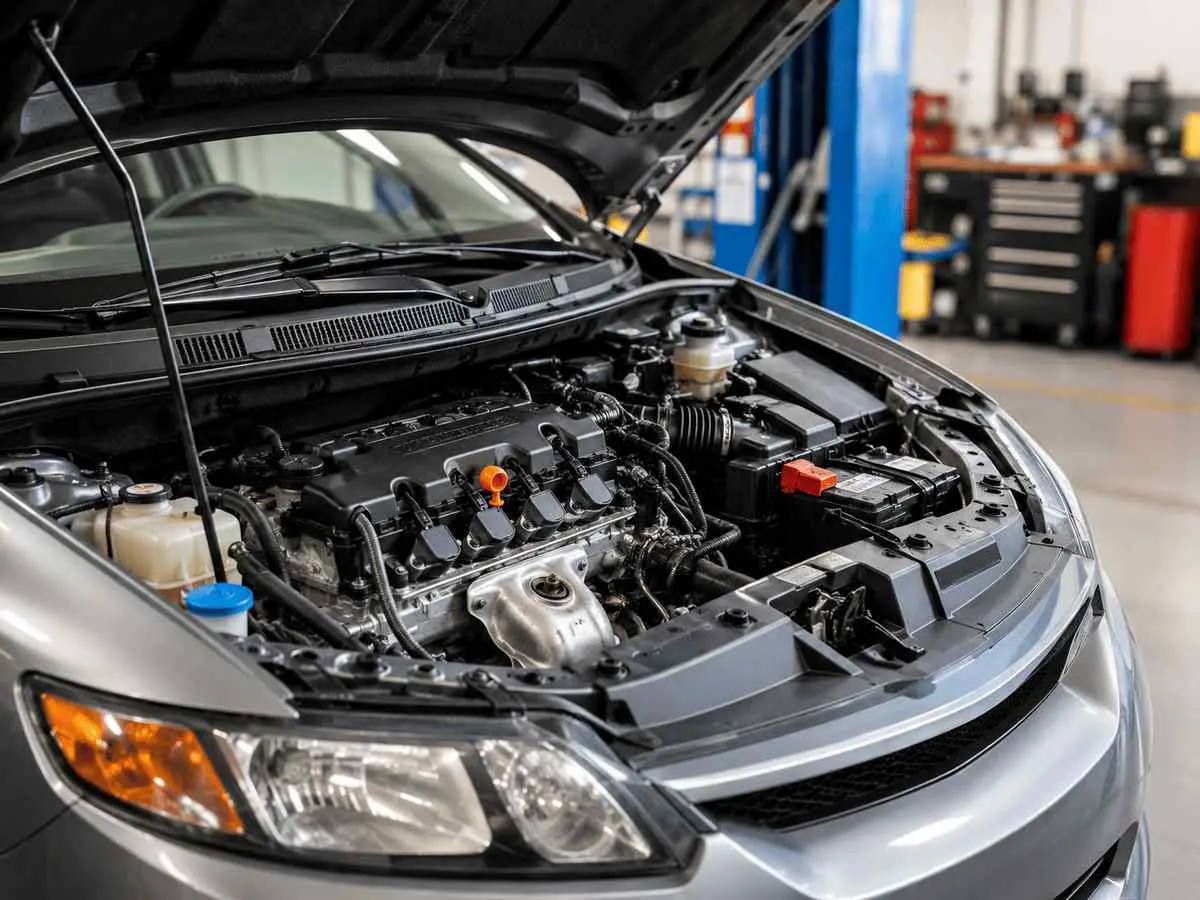
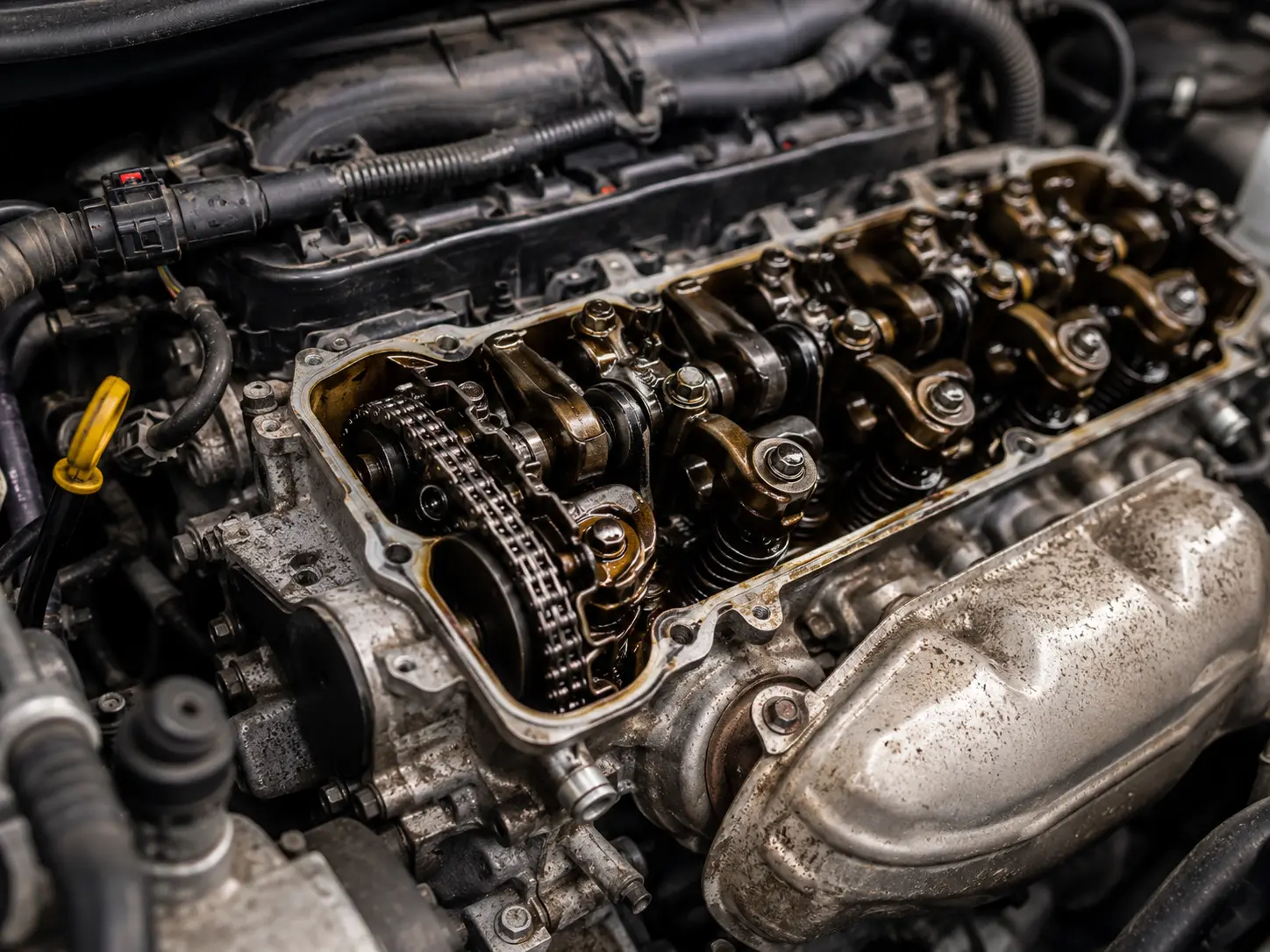
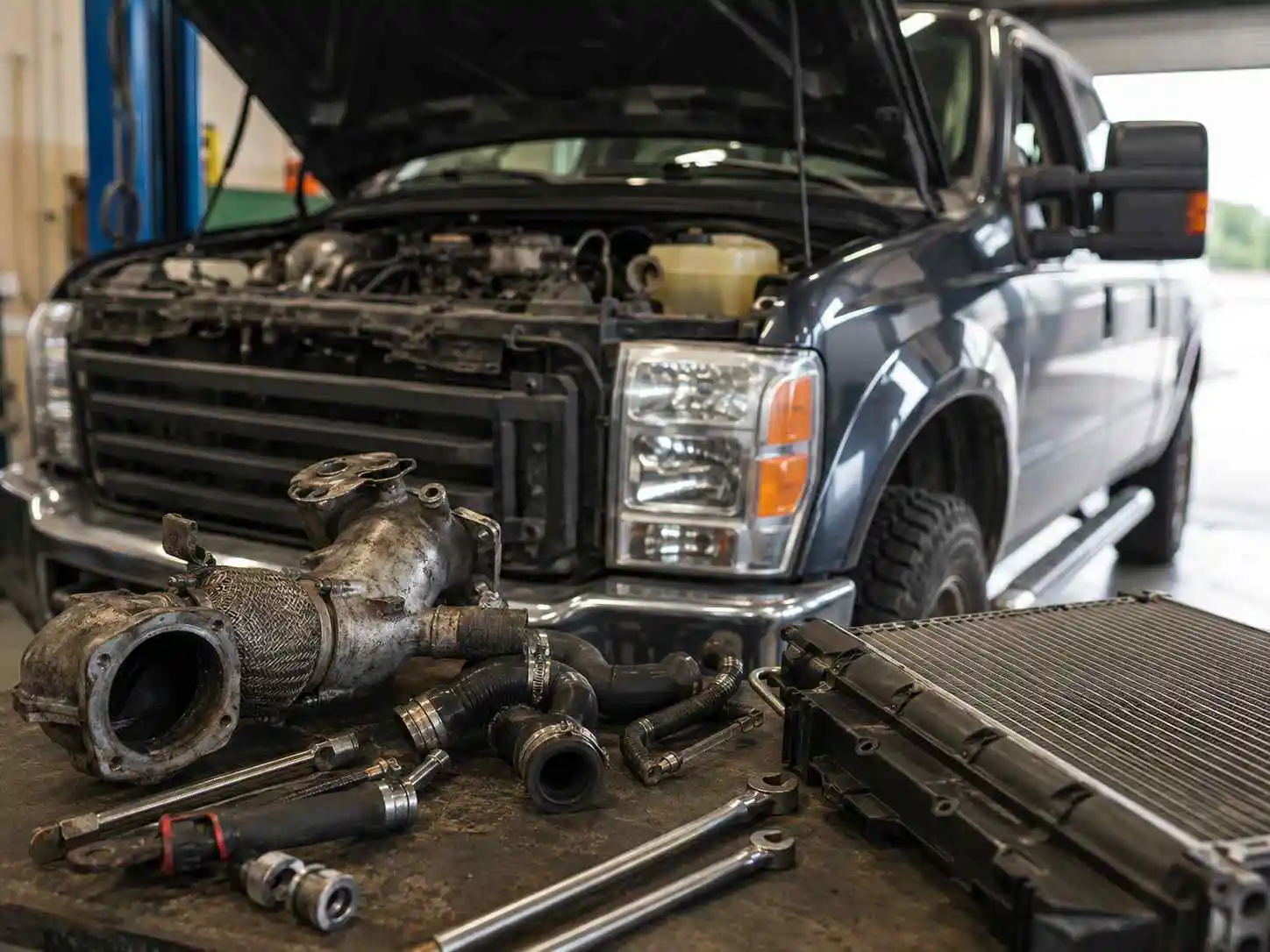
    The 2008–2010 Ford Super Duty equipped with the 6.4L Power Stroke diesel is a capable heavy-duty truck, but age, mileage, maintenance history, and operating conditions can expose several trouble areas. Coolant loss, reduced engine power, exhaust leaks, diesel particulate filter concerns, and fuel dilution are all symptoms owners should take seriously.

    For Ford Super Duty owners in Columbus, OH, recognizing these warning signs early can make a major difference. A small coolant leak, an unexplained change in oil level, or intermittent loss of power can provide valuable clues before the problem progresses.

    Clintonville Automotive Repair Service has served Columbus drivers since 1962 from its location at 585 Oakland Park Ave. The shop services passenger cars and trucks, handles preventive maintenance as well as major engine and transmission repairs, and employs ASE-certified mechanics.

    If you drive a 2008, 2009, or 2010 Ford Super Duty with the 6.4 Power Stroke, understanding what different symptoms can mean is the first step toward making informed repair decisions.

    Common 6.4 Power Stroke Symptoms at a Glance

    Several 6.4 Power Stroke problems can produce similar symptoms. This is why a symptom should be treated as the beginning of the diagnostic process, not as proof that a particular component has failed.

    What the Driver Notices Possible Area to Inspect Urgency
    Repeated coolant loss Radiator, hoses, connections, cooling system High
    Engine running hot Cooling system High
    Loss of power Exhaust/up-pipes, fuel delivery, emissions system Moderate to High
    Engine oil level rising Possible fuel dilution High
    Frequent DPF regeneration DPF/emissions system Moderate to High
    Unusual exhaust noise Exhaust system/up-pipes Moderate
    Persistent warning lights Engine management or emissions system Diagnose promptly

    The urgency can vary depending on the exact symptoms and operating conditions. Overheating, substantial coolant loss, abnormal oil levels, or severe power reduction deserve particularly prompt attention.

    Why Is My 6.4 Power Stroke Losing Coolant?

    Coolant loss should never be considered normal, especially when the level continues dropping after the cooling system has been topped off. On a 6.4L Power Stroke, the important question isn't simply whether coolant is disappearing. A technician needs to determine where it is going and why.

    Radiator leakage is one potential source. Hoses, connections, and other cooling-system components should also be inspected rather than assuming the radiator is automatically responsible.

    The mechanical progression is important:

    Coolant leak → falling coolant level → reduced cooling-system capacity → excessive engine temperature → increased possibility of engine damage

    That is why repeatedly adding coolant isn't a repair.

    Persistent coolant loss calls for a complete cooling system inspection and repair rather than continually topping off the reservoir. A technician can look for visible leakage, inspect hoses and connections, check for dried coolant residue, and evaluate the system for evidence pointing toward the source of the problem.

    The cooling system should be considered as a whole. Finding the actual cause before replacing components can prevent unnecessary repairs while reducing the possibility that a relatively contained cooling-system problem becomes something more serious.

    Expert Tip: Track Coolant Consumption

    If you're regularly adding coolant to your 6.4 Power Stroke, record approximately how much you're adding and how often. Also note whether the loss becomes worse after towing, highway driving, or other demanding operation.

    That information gives the technician another useful piece of the diagnostic puzzle.

    Mini FAQ: Can I Keep Driving My Ford Super Duty If It's Losing Coolant?

    It depends on the severity and cause of the coolant loss. However, operating an engine with insufficient coolant increases the risk of overheating.

    If the temperature begins climbing abnormally, coolant loss becomes significant, or the truck displays an overheating warning, continuing to drive can turn a cooling-system problem into a much more serious repair.

    What Causes a 6.4 Power Stroke to Lose Power?

    Loss of power is frustrating because it is a symptom, not a diagnosis.

    A Ford Super Duty that doesn't accelerate or pull the way it used to could have a problem involving the exhaust system, up-pipes, fuel delivery, emissions equipment, engine management, or another system.

    An exhaust or up-pipe leak is one area that may need inspection. Changes in exhaust sound, reduced acceleration, or a noticeable difference in performance while towing or climbing a grade can provide useful diagnostic clues.

    The important point is that a mechanic shouldn't diagnose an up-pipe simply because the driver reports low power.

    When power loss points toward a fuel-delivery concern, proper testing can determine whether fuel pump repair or another fuel-system service is actually necessary.

    A technician may need to scan the truck for diagnostic trouble codes, examine relevant live data, inspect the exhaust system, and evaluate fuel delivery and emissions-system operation. The goal is to find the component or condition responsible for the symptom rather than replacing expensive parts based on assumptions.

    Clintonville Automotive Repair Service lists complex electrical repair as a focused service. Digital Vehicle Inspections, transparency, comprehensive care, and life-of-car planning are also identified among the shop's differentiators.

    Expert Tip: Tell Your Mechanic When the Power Loss Happens

    The conditions surrounding a problem can be almost as important as the symptom itself.

    Tell your technician whether the power loss occurs:

    • Under hard acceleration
    • While towing or hauling
    • Only after the engine reaches operating temperature
    • At highway speeds
    • Along with unusual smoke or exhaust noise
    • At the same time as a warning light
    • During or around a DPF regeneration event

    A truck that loses power only under heavy load may lead the diagnostic process in a different direction than one that runs poorly all the time.

    Mini FAQ: Does a Check Engine Light Tell Me Which Part to Replace?

    No. A diagnostic trouble code identifies a condition the vehicle's computer has detected. It does not necessarily prove that a particular component has failed.

    Codes should be combined with testing, inspection, live data, and the truck's symptoms before deciding which repair is appropriate.

    Can DPF Regeneration Cause Fuel in the Oil?

    The diesel particulate filter, commonly called the DPF, is part of the truck's emissions system. Its job is to capture particulate matter in the exhaust. The vehicle periodically performs regeneration to increase exhaust temperature and help deal with accumulated material.

    Regeneration itself is part of normal DPF operation. Problems arise when regeneration becomes excessive, cannot be completed properly, or other faults interfere with the system.

    Fuel dilution is another concern worth understanding on the 6.4 Power Stroke.

    When diesel fuel contaminates the crankcase, it dilutes the engine oil. That matters because engine oil must maintain a protective lubricating film between moving components. Significant fuel contamination can reduce the oil's ability to provide that protection.

    The progression can look something like this:

    Fuel entering crankcase → engine oil dilution → reduced lubrication quality → increased potential for internal wear

    An engine oil level that unexpectedly rises can therefore be an important warning sign.

    Drivers often think only about an engine being low on oil. On a diesel, an unexplained increase deserves attention too.

    Why Frequent DPF Regeneration Matters

    A separate progression can occur when the emissions system isn't operating correctly:

    Soot accumulation → increased regeneration demand → repeated or unsuccessful regeneration → warnings or restriction → possible reduced-power operation

    A DPF problem doesn't automatically mean the filter needs to be replaced. Likewise, fuel dilution doesn't automatically mean the engine has already suffered internal damage.

    The truck's operating history, fault codes, oil condition, emissions-system data, fuel delivery, and other diagnostic findings should be evaluated together.

    Internal piston damage is another serious concern associated with discussions of 6.4 Power Stroke failures. However, low power, abnormal regeneration, or fuel-contaminated oil alone does not prove that a piston has failed. Internal engine damage requires appropriate diagnostic testing.

    Expert Tip: Watch the Oil Level Between Services

    Checking engine oil shouldn't be limited to oil-change day.

    If the oil level unexpectedly rises between services, smells strongly of diesel fuel, or appears substantially different from normal, have the condition investigated.

    Mini FAQ: Is Every DPF Regeneration a Problem?

    No. Regeneration is part of normal DPF operation.

    The warning signs are persistent problems completing regeneration, unusually frequent regeneration behavior, recurring warnings, reduced performance, or other symptoms indicating the emissions system may not be operating correctly.

    Mini FAQ: Should I Remove the DPF to Avoid These Problems?

    No. Emissions-system problems should be diagnosed and repaired correctly. Removing emissions equipment isn't an appropriate substitute for finding the reason the system is malfunctioning.

    How Can Preventive Maintenance Help a 6.4 Power Stroke?

    The best time to find a diesel problem is before it becomes an engine failure or roadside breakdown.

    A 2008–2010 Ford Super Duty is now an older truck, making its maintenance history particularly important. Following a consistent preventative maintenance schedule gives a technician more opportunities to identify developing problems before they become larger repairs.

    Mileage isn't the only factor that matters.

    A Super Duty that regularly tows heavy trailers, spends significant time idling, operates under load, or works in demanding conditions can have different maintenance needs from a truck primarily driven unloaded on the highway.

    Cooling-system condition deserves attention because small leaks shouldn't be allowed to progress into overheating problems. Engine oil condition and level should also be monitored, especially when there are concerns about fuel dilution.

    Most importantly, several symptoms appearing together shouldn't be treated as unrelated coincidences.

    A truck experiencing coolant loss, reduced power, frequent regeneration, and an abnormal oil level needs comprehensive diagnosis. Replacing one component at a time based on internet reputation can quickly become expensive without solving the underlying problem.

    Mechanic's Checklist: When Should a 6.4 Power Stroke Be Inspected?

    Have the truck inspected if you notice:

    • Coolant repeatedly needing to be topped off
    • Visible coolant residue or leakage
    • Engine temperature running higher than normal
    • Sudden or progressive power loss
    • Unusual exhaust sounds
    • Persistent check engine or emissions warnings
    • Frequent or unsuccessful DPF regeneration
    • Engine oil level unexpectedly increasing
    • Oil that appears or smells contaminated with diesel fuel
    • New smoke or a significant change in exhaust behavior

    Clintonville Automotive Repair Service's stated approach includes comprehensive care and life-of-car planning. The shop handles standard preventive maintenance as well as larger engine and transmission repairs.

    A Mechanic's Take on the 6.4 Power Stroke

    One of the biggest mistakes with an aging 6.4 Power Stroke is diagnosing the truck by reputation instead of by testing.

    Coolant loss does not automatically mean major engine damage. Low power does not automatically mean a turbocharger has failed. A DPF warning doesn't automatically mean the particulate filter needs replacement. An engine-related diagnostic trouble code doesn't automatically identify the component that should be changed.

    Start with the symptoms. Scan the truck for relevant diagnostic trouble codes. Inspect the systems involved. Test suspected components. Then make the repair decision based on what the diagnosis actually shows.

    For owners, some of the most important warning signs are repeated coolant loss, an unexplained increase in engine oil level, persistent emissions warnings, overheating, unusual exhaust noise, and noticeable loss of power.

    Addressing those symptoms while the truck is still operational gives the mechanic useful information and may provide an opportunity to correct a developing problem before additional components are affected.

    Schedule Ford Super Duty Repair in Columbus, OH

    The 6.4L Power Stroke has several systems capable of producing overlapping symptoms. That is exactly why accurate diagnosis matters.

    If your 2008–2010 Ford Super Duty is losing coolant, losing power, experiencing DPF problems, showing signs of fuel contamination in the engine oil, or simply isn't running the way it should, avoid replacing expensive diesel components based on symptoms alone. Find the underlying cause first.

    Clintonville Automotive Repair Service has served Columbus drivers since 1962 and works on passenger cars and trucks with ASE-certified mechanics.

    The client information also lists conveniences including text-to-pay, an after-hours pickup and drop-off lock box, a 3-year/36,000-mile nationwide warranty, and a senior discount. Clintonville Automotive Repair Service is identified as a NAPA AutoCare Gold Center and AAA Approved Auto Repair facility.

    Ford Super Duty owners looking for auto repair in Columbus, OH can schedule an appointment with Clintonville Automotive Repair Service at 585 Oakland Park Ave, Columbus, OH 43214 for professional inspection, maintenance, and repair.

    Send Us A Message

    *Required
    • Cracked Chevy Silverado Dash or Gauges Not Working? Common GM Truck Problems in Columbus, OH Image

      Cracked Chevy Silverado Dash or Gauges Not Working? Common GM Truck Problems in Columbus, OH

      If your 2007–2014 Chevrolet Silverado, GMC Sierra, Tahoe, Yukon, Avalanche, or Suburban has developed a cracked dashboard, an inaccurate speedometer, or gauges that suddenly stop working, you're not alone. These are among the most frequently reported age-related issues on many GM full-size trucks and SUVs.

      Fortunately, neither problem automatically means your truck is nearing the end of its life. With the right diagnosis, many dashboard and instrument cluster issues can be repaired, helping you extend the life of a truck that's otherwise still dependable.

      At Clintonville Automotive Repair Service, we've been helping drivers throughout Columbus, Clintonville, Upper Arlington, North Linden, and Old North Columbus since 1962. Our ASE-certified technicians specialize in everything from preventative maintenance to complex electrical diagnostics, providing honest recommendations backed by Digital Vehicle Inspections (DVI). Whether you need Chevrolet repair in Columbus or help diagnosing an aging electrical system, our goal is helping you make informed repair decisions, not selling unnecessary parts. Customers also appreciate conveniences like rental vehicles, text-to-pay, after-hours pickup and drop-off, a nationwide 3-year/36,000-mile warranty, and senior discounts.

      Why Is My Chevy Silverado Dashboard Cracking?

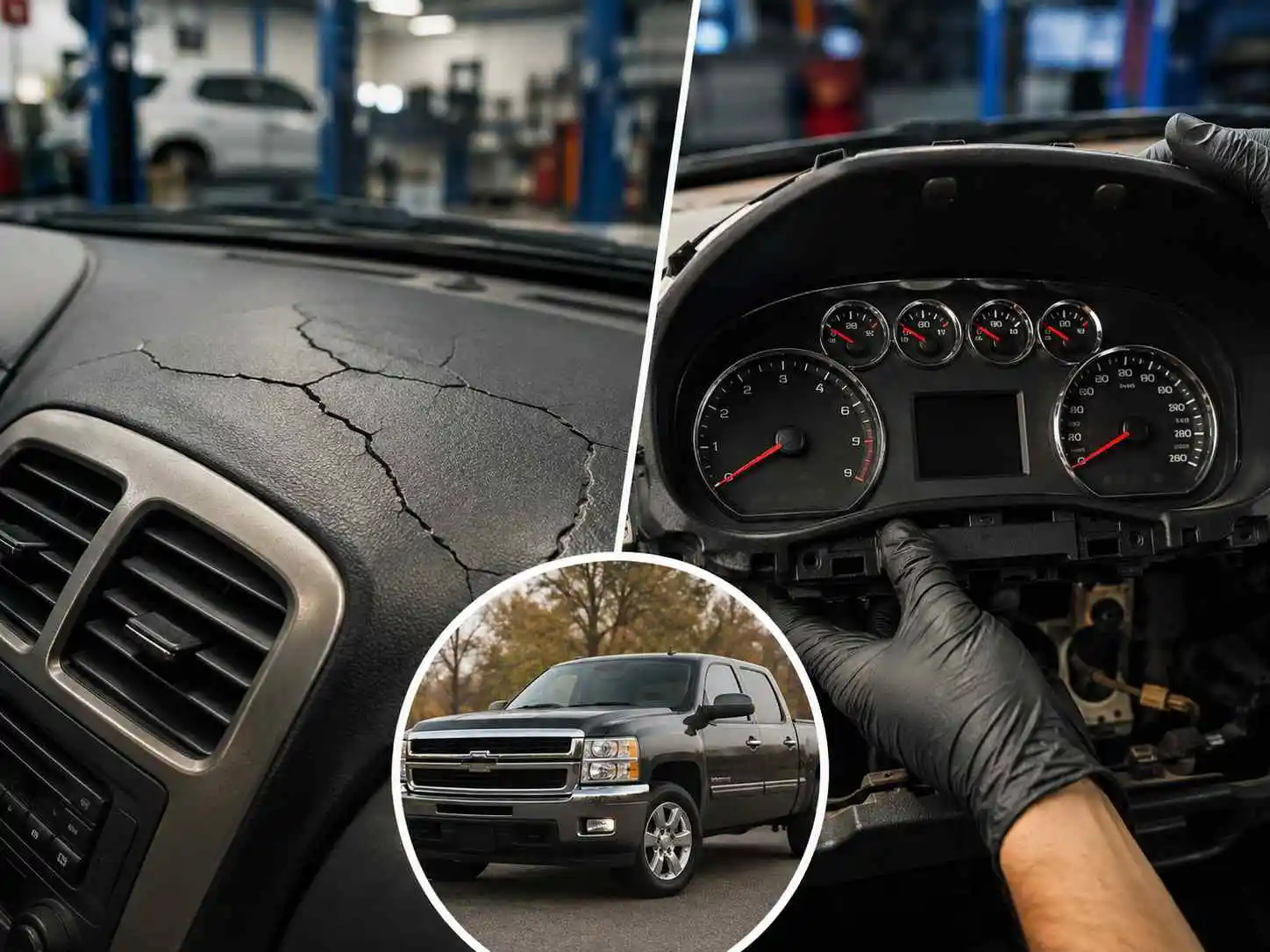
      One of the most recognizable cosmetic problems affecting many 2007–2014 GM full-size trucks is dashboard cracking.

      Most cracks begin around:

      • Passenger airbag area
      • Defroster vents
      • Upper dashboard corners

      What starts as a hairline fracture often spreads across the dashboard over several years.

      What Causes Dashboard Cracks?

      As technicians, we rarely see dashboard cracking caused by driver abuse.

      Instead, it's usually the result of years of:

      • Constant UV exposure
      • High interior temperatures
      • Seasonal expansion and contraction
      • Aging plastic materials becoming brittle

      Ohio's hot summers followed by freezing winters accelerate these repeated expansion cycles, especially for vehicles that spend most of their lives outdoors.

      Master Mechanic Insight:
      Once the plastic begins to crack, it generally continues spreading. Early cosmetic repairs or protective dash covers may help improve appearance before the damage becomes extensive.

      Is a Cracked Dashboard Dangerous?

      Most dashboard cracks are cosmetic.

      However, if cracking develops around the passenger airbag opening, it's worth having the area professionally inspected. Since the dashboard surrounds an important safety system, damaged trim should never be ignored without evaluation.

      If you're concerned about damage near the airbag area, professional airbag repair and inspection can help determine whether the damage is strictly cosmetic or whether additional repairs may be recommended.

      Why Are My Chevy Silverado Gauges Not Working?

      A second well-known issue affecting many aging GM trucks involves inaccurate or completely inoperative gauges.

      Drivers commonly notice:

      • Speedometer stuck at one speed
      • Fuel gauge reading Empty after filling up
      • Oil pressure gauge fluctuating
      • Temperature gauge behaving erratically
      • Tachometer stopping completely
      • Multiple gauges failing simultaneously

      What Causes GM Instrument Cluster Problems?

      While GM trucks from different production years use different instrument cluster designs, failures involving internal cluster components including worn gauge motors on certain generations are a recognized issue on many older GM vehicles.

      However, a professional diagnosis is always recommended before assuming the instrument cluster itself has failed.

      Other electrical faults can produce similar symptoms, including:

      • Weak batteries
      • Charging system problems
      • Poor grounds
      • Wiring faults
      • Faulty sending units
      • Loose electrical connectors

      Master Mechanic Tip:
      A common mistake is replacing the instrument cluster because an online forum says it's a "known issue." Good technicians verify the problem first rather than replacing expensive components based solely on symptoms.

      How We Diagnose Dead Gauges Before Replacing Parts

      One of the biggest differences between professional diagnosis and guesswork is verifying the source of the problem before recommending repairs.

      When a GM truck arrives with inaccurate gauges, our diagnostic process may include:

      Battery & Charging System Testing

      Low system voltage can create electrical symptoms that resemble cluster failure.

      Computer System Scan

      We compare live sensor data with what the dashboard displays.

      If the scan tool shows the correct engine temperature but the dashboard gauge doesn't, the problem may be isolated to the instrument cluster.

      Electrical Circuit Testing

      Our technicians inspect:

      • Power supply
      • Grounds
      • Wiring integrity
      • Connector condition
      • Communication between vehicle modules

      Instrument Cluster Evaluation

      Only after confirming the rest of the electrical system is functioning properly do we determine whether the cluster itself requires repair or replacement.

      Because complex electrical diagnostics are one of Clintonville Automotive Repair Service's focused service areas, our goal is to identify the actual failure, not simply replace parts until the problem disappears.

      Expert Tip:
      Intermittent gauge problems are often easier to diagnose when you can describe exactly when they occur. Does the speedometer fail after 20 minutes? Does the fuel gauge only stick after filling the tank? Those details help narrow the diagnosis.

      Repair Options for GM Dashboard and Instrument Cluster Problems

      The right repair depends on the condition of your truck and your long-term ownership goals.

      Dashboard Repairs

      Depending on the severity, repair options may include:

      • Protective dash covers
      • Dashboard restoration
      • Replacement dashboard panels
      • Complete dashboard replacement

      A cosmetic repair may be sufficient for minor cracks, while severe deterioration often requires replacement.

      Instrument Cluster Repairs

      If testing confirms the cluster is faulty, possible repairs include:

      • Replacing failed internal gauge components
      • Repairing electrical connections
      • Rebuilding the cluster
      • Verifying gauge accuracy after repairs

      The correct solution depends on the exact failure, not every truck requires a complete replacement.

      Prevent Future Problems with Routine Maintenance

      While dashboard cracking can't always be prevented, regular inspections help catch developing mechanical and electrical issues before they become expensive repairs.

      We recommend:

      • Keeping the charging system healthy
      • Addressing warning lights promptly
      • Having electrical concerns inspected early
      • Protecting interior plastics from prolonged UV exposure
      • Staying current with preventative maintenance services

      Routine maintenance becomes even more valuable as GM trucks age because multiple components naturally wear together.

      Frequently Asked Questions

      Can a Chevy Silverado instrument cluster be repaired instead of replaced?

      In many cases, yes. Depending on the diagnosis, internal components may be repairable without replacing the entire assembly.

      How much does it cost to fix a cracked Chevy dashboard?

      Repair costs vary depending on the extent of the damage and whether a cosmetic repair, restoration, or full dashboard replacement is the most appropriate solution. An inspection is the best way to determine the right option for your truck.

      Why does my speedometer only work sometimes?

      Intermittent speedometer problems may result from instrument cluster issues, wiring faults, voltage problems, or sensor-related concerns. Proper testing is needed to identify the root cause.

      Is it safe to drive with a cracked dashboard?

      Minor cosmetic cracks typically don't affect drivability. However, if cracking develops around the passenger airbag area or you're unsure about the extent of the damage, it's best to have the dashboard inspected by a qualified technician.

      Schedule Your GM Truck Inspection in Columbus, OH

      If your Chevy Silverado, GMC Sierra, Tahoe, Yukon, Avalanche, or Suburban has a cracked dashboard, dead gauges, or an unreliable speedometer, don't rely on guesswork.

      For more than 60 years, Clintonville Automotive Repair Service has provided trusted Chevrolet repair in Columbus, OH, serving drivers throughout Clintonville, Upper Arlington, North Linden, Old North Columbus, and surrounding communities. Located at 585 Oakland Park Ave, Columbus, OH 43214, our shop combines ASE-certified expertise with honest recommendations, Digital Vehicle Inspections, rental vehicles, text-to-pay, after-hours pickup and drop-off, and a 3-year/36,000-mile nationwide warranty to make every repair experience as convenient as possible.

      Whether your truck needs an electrical diagnosis, instrument cluster evaluation, dashboard inspection, or routine maintenance, our experienced team is ready to help.

      Schedule your inspection today and let us help keep your GM truck reliable for many more miles.

      08/10/2026Read more
    • GM 2.4 Timing Chain Problems & Oil Consumption: What Columbus Buick & Chevy Owners Need to Know Image

      GM 2.4 Timing Chain Problems & Oil Consumption: What Columbus Buick & Chevy Owners Need to Know

      GM 2.4 Timing Chain Problems & Oil Consumption: What Columbus Buick & Chevy Owners Need to Know

      1. Trusted Auto Repair in Columbus, OH Since 1962

      If you drive a Buick or Chevy in Columbus, OH, and you’ve noticed unusual engine noise, timing chain rattle, or increasing oil usage, you may be dealing with GM 2.4 timing chain problems or Ecotec oil consumption issues, two of the most common engine complaints in these vehicles.

      At Clintonville Automotive Repair Service, drivers have trusted their vehicles for over 60 years. Established in 1962, this locally respected shop has built its reputation on honest, transparent service and long-term vehicle care. Located right in Clintonville, they proudly serve surrounding neighborhoods like Upper Arlington, Old North Columbus, and Linden.

      What sets this shop apart?

      • ASE-certified technicians with deep diagnostic expertise
      • Full-service repair for all makes and models
      • Advanced inspections with a focus on accuracy and transparency
      • Ability to handle everything from routine maintenance to major engine repairs

      When it comes to diagnosing GM 2.4 timing chain problems, experience matters. That’s exactly why many local drivers rely on professional auto diagnostics in Columbus to catch problems early.

      2. Common Problem: GM 2.0L & 2.4L Engine Issues ( Always Verify)

      Certain Buick and Chevrolet models equipped with 2.0L and 2.4L Ecotec engines have developed a reputation for:

      • Timing chain noise (rattle)
      • Excessive oil consumption

      Commonly Affected Models

      • Chevy Equinox
      • Chevy Malibu
      • Buick Verano
      • Buick LaCrosse

      These vehicles often experience similar failures due to shared engine design.

      Typical Symptoms You Might Notice

      • Rattling noise during cold starts
      • Check engine light (often P0016 or P0017 timing correlation codes)
      • Burning through oil faster than expected
      • Rough running or reduced performance

      Some drivers report oil consumption as high as 1 quart per 1,000 miles in severe cases, making early detection critical.

      Why Columbus Drivers See This More Often

      Local driving conditions, short trips, stop-and-go traffic, and cold winters, can accelerate wear on timing components and increase oil consumption over time.

      One of the best preventative steps you can take is staying consistent with routine oil change service in Columbus to protect your engine.

      Expert Tip

      If you hear a brief rattle at startup, don’t ignore it. That’s often the first sign of timing chain slack.

      3. What Causes Timing Chain & Oil Consumption Failures?

      From a mechanic’s perspective, these issues are often connected, especially in GM Ecotec engines.

      Timing Chain Failure Explained

      • Chain stretching
      • Tensioner failure
      • Lubrication issues

      Left unchecked, this can lead to serious engine damage.

      Oil Consumption Issues

      • Worn piston rings
      • Oil burning in the combustion chamber
      • PCV-related issues

      In more severe cases, drivers may need professional engine repair services in Columbus to fully resolve the problem.

      Why These Problems Are Connected

      Low oil levels reduce lubrication, which accelerates timing chain wear. At the same time, timing issues increase engine stress, worsening oil consumption.

      Mini FAQ

      Q: Is it safe to keep driving with a timing chain rattle?
      A: No, this can quickly lead to catastrophic engine failure.

      Q: How much oil consumption is too much?
      A: If you’re adding oil between oil changes, it’s time for an inspection.

      4. How Serious Is This Problem & What Does It Cost?

      Understanding severity helps you act early and avoid major repairs.

      • Early Stage: Minor rattle at startup → relatively affordable timing chain repair
      • Mid Stage: Persistent noise + check engine light → moderate repair cost
      • Late Stage: Engine damage from timing failure → expensive rebuild or replacement

      Catching the issue early can save thousands.

      5. Repair Options & What to Expect in Columbus, OH

      Proper diagnosis is everything. Without it, you risk wasting money on unnecessary repairs.

      At Clintonville Automotive Repair Service, technicians use advanced diagnostic methods to pinpoint the exact issue.

      Common Repairs

      • Timing chain replacement
      • Piston ring repair
      • Full engine service when needed

      Accurate auto diagnostics ensure the right repair the first time.

      What You Get at Clintonville Automotive

      • 3-year / 36,000-mile nationwide warranty
      • Trusted brands like NAPA & Jasper

      Amenities:

      • Rental vehicles
      • After-hours drop-off
      • Text-to-pay convenience

      Expert Tip

      Fixing a timing chain early is far cheaper than replacing an entire engine.

      6. Don’t Ignore the Warning Signs – Get Expert Help in Clintonville Today

      If your Buick or Chevy is showing symptoms of GM 2.4 timing chain problems or oil consumption issues, waiting will only make things worse.

      At Clintonville Automotive Repair Service, you’ll get:

      • Honest inspections
      • Skilled technicians
      • Long-term vehicle care

      Serving Clintonville, Upper Arlington, Old North Columbus, and surrounding areas, they’re your trusted local experts.

      Take the Next Step

      If you’ve noticed:

      • Engine rattling
      • Oil loss
      • Check engine light

      Don’t wait, these issues can escalate quickly into major engine damage. Schedule your diagnostic today and avoid costly repairs down the road.

      Final Thought

      Timing chain and oil consumption issues don’t fix themselves, but with early action and the right team, they don’t have to turn into major repairs.

      Catch it early. Fix it right. Drive with confidence.

      07/09/2026Read more
    • Honda Civic (2006–2011) Losing Coolant? Understanding the 8th-Gen Cracked Engine Block Problem Image

      Honda Civic (2006–2011) Losing Coolant? Understanding the 8th-Gen Cracked Engine Block Problem

      Honda Civic (2006–2011) Losing Coolant? Understanding the 8th-Gen Cracked Engine Block Problem

      If your 2006–2011 Honda Civic is mysteriously losing coolant but you can't find a leak on your driveway, you're not alone. Many owners of the 8th-generation Honda Civic equipped with the 1.8L R18 engine have experienced this frustrating issue. While coolant leaks are often caused by worn hoses or a failing water pump, some Civics suffer from a much more serious problem, a cracked engine block.

      At Clintonville Automotive Repair, we've been helping drivers throughout Columbus, Clintonville, Upper Arlington, Old North Columbus, and nearby communities since 1962. Our ASE-certified technicians specialize in everything from preventative maintenance to major engine repairs, providing honest Digital Vehicle Inspections (DVIs) so you always know exactly what's happening with your vehicle before any work begins. Whether you need routine service or expert Honda repair in Columbus, OH, our team is committed to transparent, comprehensive care that helps you get the most life out of your vehicle.

      Whether you're commuting along High Street, traveling through Clintonville, heading toward Upper Arlington, or driving around The Ohio State University, unexpected coolant loss can quickly turn into an expensive engine repair if left unchecked.

      Let's take a closer look at this well-known Honda issue, how to recognize the warning signs, and what your repair options may be.

      Early Warning Signs Your Honda Civic May Have a Cooling System Problem

      A cracked engine block doesn't usually happen overnight. In many cases, drivers notice subtle cooling system issues weeks or even months before serious overheating occurs.

      Watch for these early warning signs:

      • The coolant reservoir slowly drops between oil changes.
      • You occasionally smell coolant after parking.
      • Your heater blows cool air while idling.
      • The temperature gauge fluctuates instead of staying steady.
      • White or green crust forms around the engine block.
      • Small coolant spots appear after long drives.
      • You find yourself adding coolant more than once or twice a year.

      Even if your Civic isn't overheating yet, these symptoms deserve professional attention.

      Expert Tip: A properly functioning cooling system is sealed. If you're adding coolant regularly, there's almost always an underlying problem that should be diagnosed.

      Why Some 2006–2011 Honda Civics Lose Coolant Without a Visible Leak

      If your 2006–2011 Honda Civic is mysteriously losing coolant, professional cooling system repair can determine whether the problem is a simple cooling system leak or the well-known cracked engine block affecting certain R18 engines.

      For certain Civics equipped with the 1.8L R18 engine, the engine block itself can develop a casting crack near a coolant passage. Instead of coolant dripping onto the ground, it may seep directly from the engine block, making the leak difficult to detect until overheating begins.

      Common Symptoms

      Drivers commonly report:

      • Coolant reservoir constantly running low
      • Engine overheating
      • Sweet coolant smell
      • Rising temperature gauge
      • No visible leak under the vehicle
      • Low coolant warning light

      Initially these symptoms may appear inconsistent, but they typically worsen as the crack expands with repeated heat cycles.

      Why Does the Engine Block Crack?

      The issue stems from a manufacturing defect affecting certain engine block castings.

      Honda acknowledged that some 2006–2011 Honda Civics equipped with the R18 engine experienced engine block casting defects and issued a warranty extension for eligible vehicles. However, eligibility depends on factors such as your vehicle's VIN, repair history, and the specific terms of Honda's program. Even if your Civic no longer qualifies for warranty coverage, a professional inspection can determine whether a cracked engine block is causing the coolant loss and help you choose the most cost-effective repair solution.

      Mini FAQ: Can I Keep Driving?

      Q: My car only overheats occasionally. Is it safe to drive?

      A: No. Even occasional overheating can warp the cylinder head, damage the head gasket, or lead to complete engine failure. It's always less expensive to diagnose coolant loss before overheating causes secondary damage.

      How Clintonville Automotive Repair Diagnoses a Cracked Honda Engine Block

      Because coolant loss can have many different causes, accurate diagnosis is essential.

      Our cooling system repair services begin with comprehensive testing instead of replacing parts based on assumptions.

      Our diagnostic process typically includes:

      • Cooling system pressure testing
      • Radiator inspection
      • Water pump inspection
      • Thermostat testing
      • Heater core evaluation
      • Hose inspection
      • Head gasket testing
      • Engine block inspection for casting cracks

      This systematic process ensures we identify the actual source of coolant loss before recommending repairs.

      Ruling Out Other Cooling System Problems

      Many cooling system failures produce nearly identical symptoms.

      Possible causes include:

      • Radiator leaks
      • Heater core leaks
      • Failed radiator cap
      • Water pump failure
      • Head gasket failure
      • Loose hose connections

      Professional testing helps distinguish these common repairs from the much more serious engine block defect.

      Mechanic's Advice

      We've seen many Honda owners replace thermostats, radiators, or water pumps before discovering the engine block itself was cracked. Spending money on replacement parts without a proper diagnosis often leads to unnecessary repairs and continued coolant loss. If your Civic still loses coolant after previous repairs, it's time for a comprehensive inspection by experienced technicians.

      Repair Options

      Once a cracked engine block is confirmed, repair options generally include:

      • Short block replacement
      • Complete engine replacement
      • Remanufactured engine installation

      The right solution depends on:

      • Vehicle mileage
      • Overall vehicle condition
      • Extent of damage
      • Repair costs
      • Warranty eligibility

      Because Clintonville Automotive Repair regularly performs major engine repairs and Honda engine diagnostics and repairs, we can explain each option and recommend the repair that makes the most financial sense for your situation.

      Why Columbus Drivers Trust Clintonville Automotive Repair

      Since 1962, Clintonville Automotive Repair has earned the trust of drivers throughout Columbus by combining expert workmanship with honest recommendations.

      Drivers choose us because we provide:

      • ASE-certified technicians
      • Honest Digital Vehicle Inspections (DVIs)
      • Transparent repair recommendations
      • Comprehensive vehicle care
      • Major engine and transmission repairs
      • Service for all passenger cars and light trucks

      Whether your Honda needs routine maintenance or major engine repairs, our preventative maintenance services help identify small cooling system issues before they become expensive repairs.

      We also make vehicle repairs easier with:

      • Rental vehicles
      • Text-to-pay
      • After-hours pickup and drop-off
      • 3-year/36,000-mile nationwide warranty
      • Senior discounts

      As a NAPA AutoCare Gold Center and AAA Approved Auto Repair facility, we're committed to delivering dependable repairs backed by nationally recognized standards.

      Conveniently located on Oakland Park Avenue, we're proud to serve drivers from Columbus, Clintonville, Upper Arlington, Old North Columbus, North Linden, East Linden, and surrounding communities.

      Frequently Asked Questions

      Does every 2006–2011 Honda Civic have a cracked engine block?

      No. While the issue is well documented, it only affects certain vehicles. Professional testing is the best way to determine the cause of coolant loss.

      Can coolant loss damage my engine?

      Yes. Low coolant can quickly lead to overheating, warped cylinder heads, blown head gaskets, and complete engine failure if ignored.

      Can I use a stop-leak product?

      Generally, no. Stop-leak products may temporarily reduce a minor leak, but they won't repair a cracked engine block and may clog passages inside the radiator or heater core.

      How long does engine replacement take?

      Repair time depends on parts availability and the extent of the damage. After diagnosing your vehicle, your repair shop can provide a more accurate timeline.

      Schedule Your Honda Cooling System Inspection in Columbus, OH

      If your 2006–2011 Honda Civic is losing coolant, even if it hasn't overheated yet, don't wait for a minor issue to become a major engine repair.

      At Clintonville Automotive Repair, our ASE-certified technicians use thorough diagnostic procedures to identify the source of coolant loss, explain your repair options, and help you make an informed decision. Whether your Civic needs cooling system repair or a more extensive engine repair, we're committed to providing honest recommendations and quality workmanship.

      With more than 60 years of serving the Columbus community, convenient amenities like rental vehicles, after-hours pickup, text-to-pay, and a 3-year/36,000-mile nationwide warranty, we're here to make the repair process as stress-free as possible.

      If you're in Columbus, Clintonville, Upper Arlington, Old North Columbus, North Linden, East Linden, or nearby communities, contact Clintonville Automotive Repair today to schedule your cooling system inspection and protect your Honda from more extensive engine damage.


      07/14/2026Read more
    • How Long Should Brake Pads Really Last? The Answer Depends on How You Drive in Clintonville and Columbus, OH Image

      How Long Should Brake Pads Really Last? The Answer Depends on How You Drive in Clintonville and Columbus, OH

      When drivers search online for how long brake pads should last, they usually see a broad answer like “30,000 to 70,000 miles.” The truth is much more complicated, especially for drivers navigating Clintonville, Columbus, Upper Arlington, and the busy stop-and-go roads around The Ohio State University area.

      At Clintonville Automotive Repair Service, we’ve been helping Columbus drivers protect their vehicles since 1962. Located on Oakland Park Avenue in Clintonville, our ASE-certified technicians work on all passenger cars and trucks, offering everything from preventative maintenance to major engine and transmission repairs. Our philosophy has always been simple: provide transparent, honest recommendations while helping customers plan for the long-term life of their vehicles.

      One of the most common misconceptions we hear is: > “My brakes shouldn’t need replacing yet.”

      But brake pad lifespan depends heavily on:

      • Your driving style

      • The type of vehicle you drive

      • Columbus traffic conditions

      • Weather and road salt exposure

      • The quality of brake components installed

      If you’ve been wondering whether your brakes are wearing out too quickly, or lasting longer than expected, here’s what every Columbus-area driver should know.

      What Actually Determines Brake Pad Lifespan?

      Why OSU and Columbus City Driving Destroys Brake Pads Faster

      Not all driving environments are equal when it comes to brake wear. Drivers around Clintonville and Columbus often experience faster brake wear simply because of local traffic patterns.

      Areas near:

      • The Ohio State University campus

      • High Street

      • Downtown Columbus

      • North Broadway

      • Henderson Road

      Create constant stop-and-go traffic that forces drivers to brake far more frequently than suburban or highway commuters.

      Short trips around Columbus can also create additional moisture buildup and surface rust on brake rotors during winter months. Combined with road salt exposure, this accelerates corrosion and increases wear on brake hardware.

      Drivers who frequently commute through busy urban traffic may replace brake pads significantly sooner than drivers who spend most of their time on highways.

      According to industry testing, brake rotors can exceed 1,000°F during aggressive braking situations. Excessive heat cycling like this gradually breaks down brake pad material and can lead to rotor glazing, vibration, and reduced stopping performance over time.

      What Actually Determines Brake Pad Lifespan?

      Brake pads are designed to wear down gradually over time, but no two drivers wear them out at the same rate.

      Your Driving Habits Matter More Than Mileage

      A driver commuting mostly on highways around Columbus may get 60,000 miles or more from a set of brake pads. Meanwhile, someone driving through Clintonville traffic every day could wear out brakes much sooner.

      Frequent Hard Braking Accelerates Wear

      Aggressive driving habits generate excessive heat. Every time you slam on the brakes, friction transfers heat into the pads and rotors.

      Over time, this can:

      • Harden brake pad material

      • Warp rotors

      • Create uneven pad wear

      • Reduce stopping performance

      Stop-and-Go Traffic Is Tough on Brakes

      Drivers near:

      • OSU campus

      • High Street

      • Downtown Columbus

      • East Linden

      Often brake significantly more than suburban highway commuters.

      That constant braking shortens brake pad life dramatically.

      Vehicle Size and Weight Play a Huge Role

      Larger vehicles naturally require more braking force.

      Trucks and SUVs Wear Brakes Faster

      Heavier vehicles:

      • Create more friction

      • Generate more heat

      • Put extra stress on rotors and calipers

      Drivers carrying tools, equipment, or passengers regularly may also notice faster wear.

      Not All Brake Pads Are Equal

      Many drivers don’t realize brake pad quality varies enormously.

      Ceramic Brake Pads

      • Quieter operation

      • Lower brake dust

      • Longer lifespan

      • Better for everyday driving

      Semi-Metallic Brake Pads

      • Strong stopping power

      • Better for towing or performance

      • Can wear rotors faster

      • Often noisier

      Cheap Economy Pads

      This is where many brake jobs go wrong.

      Low-quality pads may:

      • Wear unevenly

      • Squeal excessively

      • Create heavy brake dust

      • Damage rotors prematurely

      At our Clintonville shop, we regularly see “budget brake jobs” that end up costing drivers far more later. That’s why professional brake repair in Columbus, OH should always include quality components and a complete system inspection, not just replacing pads.

      Ohio Weather Is Hard on Braking Systems

      Columbus winters create unique challenges for brakes.

      Road Salt Causes Corrosion

      Salt and moisture accelerate:

      • Rotor rust

      • Caliper corrosion

      • Brake hardware seizure

      Even vehicles with low mileage can develop braking issues simply due to environmental exposure.

      If rust or heat damage affects your braking surfaces, professional brake rotor service can help restore safe stopping performance and prevent uneven wear.

      Expert Tip From an ASE-Certified Mechanic

      If your vehicle sits for long periods during winter, surface rust can build up quickly on brake rotors. Regular driving helps keep braking surfaces clean and prevents premature corrosion.

      Warning Signs Your Brake Pads May Be Failing

      Many drivers ignore early brake symptoms until repairs become expensive.

      Catching problems early can save hundreds of dollars.

      Squealing Brakes

      Brake pads often contain wear indicators that create a squealing sound when pads become thin.

      If you hear:

      • high-pitched squealing

      • scraping

      • grinding

      It’s time for an inspection immediately.

      Grinding Means Metal-on-Metal Contact

      Once pads wear completely through, metal backing plates grind directly against rotors.

      That can rapidly destroy:

      • Rotors

      • Calipers

      • Wheel bearings in severe cases

      Steering Wheel Vibrations While Braking

      Many drivers assume vibration means “warped rotors.”

      In reality, several problems can cause pulsation:

      • Uneven rotor deposits

      • Overheated braking surfaces

      • Sticking calipers

      • Improper wheel torque

      A professional inspection matters because replacing rotors alone may not solve the root issue.

      Soft or Spongy Brake Pedal

      If your brake pedal feels:

      • soft

      • low

      • inconsistent

      There could be:

      • air in the brake lines

      • brake fluid contamination

      • hydraulic system issues

      Brake fluid naturally absorbs moisture over time, reducing braking performance and increasing internal corrosion.

      Pulling to One Side While Braking

      This symptom often points to:

      • frozen calipers

      • uneven pad wear

      • hydraulic imbalance

      Ignoring this issue can quickly lead to unsafe stopping conditions.

      What We Check During a Professional Brake Inspection

      At Clintonville Automotive Repair Service, a complete brake inspection involves far more than simply checking brake pad thickness.

      Our ASE-certified technicians inspect:

      • Brake pad thickness and wear patterns

      • Rotor condition and rotor runout

      • Brake fluid contamination levels

      • Caliper operation and hydraulic pressure balance

      • Brake hose condition

      • Caliper slide pin lubrication

      • Brake hardware wear and corrosion

      • Signs of brake pad glazing or uneven friction material transfer

      This detailed inspection process helps identify small issues before they become expensive repairs.

      Mini FAQ: How Often Should Brakes Be Inspected?

      Q: Should brakes be checked during oil changes?

      Absolutely.

      Routine inspections help identify:

      • uneven wear

      • fluid leaks

      • rotor damage

      • failing hardware

      Before major repairs become necessary.

      Q: Can brake pads wear unevenly?

      Yes, and it’s extremely common.

      Uneven wear often indicates:

      • caliper problems

      • hardware binding

      • suspension issues

      Why Preventative Brake Service Saves Columbus Drivers Money

      Preventative maintenance is almost always less expensive than emergency repairs.

      At Clintonville Automotive Repair Service, we focus heavily on helping customers avoid costly breakdowns through proactive vehicle care.

      Delaying Brake Repairs Gets Expensive Fast

      Replacing brake pads early is relatively affordable.

      Waiting too long may also require:

      • rotor replacement

      • caliper replacement

      • brake fluid flushing

      • ABS system repairs

      A simple brake service can quickly turn into a much larger repair bill.

      Scheduling routine brake repair services before major wear occurs can dramatically extend the life of your braking system.

      Heat Is the Enemy of Your Brake System

      Every braking event generates heat.

      Excessive heat causes:

      • rotor glazing

      • cracking

      • brake fade

      • reduced stopping ability

      Drivers in heavy Columbus traffic experience more heat cycling than rural highway drivers.

      Brake Fluid Maintenance Is Commonly Overlooked

      Many drivers never replace brake fluid until major problems occur.

      Over time, brake fluid absorbs moisture, which:

      • lowers boiling point

      • reduces braking efficiency

      • increases corrosion inside brake components

      Routine brake fluid service can dramatically extend system lifespan.

      Expert Mechanic Insight

      Modern brake systems are far more complex than many drivers realize. Even small issues like seized caliper slide pins or uneven friction material transfer can create steering vibration, uneven wear, and premature rotor damage.

      Brake pulsation is not always caused by “warped rotors.” In many cases, the real issue involves uneven pad deposits caused by excessive heat or improper bedding procedures.

      Hydraulic pressure imbalance can also create pulling during braking, especially when calipers begin sticking internally.

      Experienced diagnostic inspections matter because replacing parts without identifying the root cause often leads to repeat failures.

      Expert Mechanic Insight

      We often see vehicles needing expensive caliper replacements simply because contaminated brake fluid was never serviced.

      Preventative maintenance protects the entire braking system, not just the brake pads.

      Convenience Matters for Busy Columbus Drivers

      We understand brake problems rarely happen at convenient times.

      That’s why Clintonville Automotive Repair Service offers:

      • after-hours pickup and drop-off lockbox

      • text-to-pay options

      • rental vehicle availability

      • nationwide 3-year/36,000-mile warranty

      These conveniences help make repairs easier for drivers throughout:

      • Clintonville

      • Upper Arlington

      • Old North Columbus

      • East Beechwold

      • Clinton Estates

      Frequently Asked Questions About Brake Repair in Columbus, OH

      How much does brake repair cost in Columbus?

      Brake repair costs vary depending on vehicle type, brake pad quality, rotor condition, and whether additional repairs are needed. Replacing brake pads early is typically far less expensive than waiting until rotors, calipers, or hydraulic components become damaged.

      How often should brake fluid be changed?

      Most manufacturers recommend brake fluid service every 2 to 3 years, but Columbus weather conditions and driving habits can affect that timeline. Moisture contamination inside brake fluid can reduce braking performance and increase corrosion inside the braking system.

      Can I drive with squealing brakes?

      Squealing brakes should never be ignored. While some noise can be caused by moisture or brake dust, persistent squealing often indicates worn brake pads or hardware problems that require inspection.

      How long do brake rotors last?

      Brake rotor lifespan depends on driving habits, heat exposure, and brake pad quality. Aggressive braking, towing, and stop-and-go Columbus traffic can shorten rotor life significantly.

      Schedule Trusted Brake Service in Clintonville, OH

      Whether your brakes are squealing, vibrating, or simply overdue for inspection, early attention can help you avoid much larger repairs later.

      For over 60 years, Clintonville Automotive Repair Service has built a reputation in Columbus for:

      • honest recommendations

      • comprehensive inspections

      • ASE-certified expertise

      • long-term vehicle care planning

      We’re also proud to be:

      • a NAPA AutoCare Gold Center

      • AAA Approved Auto Repair facility

      If you’re looking for trusted brake repair in Clintonville or Columbus, our experienced team is here to help keep your vehicle safe and reliable year-round.

      Schedule your brake inspection today and protect your vehicle before small brake problems become major repairs.

      04/01/2026Read more
    • Protect Your Vehicle: How Columbus Weather Can Damage Your Car Year-Round

      Protect Your Vehicle: How Columbus Weather Can Damage Your Car Year-Round

      Living in Columbus means experiencing all four seasons, each with its own impact on your vehicle’s performance and longevity. From icy roads and freezing mornings to scorching summers and wet spring days, Ohio’s weather keeps your car constantly adapting.

      At Clintonville Automotive Repair Service, we have seen firsthand how seasonal changes affect everything from your battery to your brakes. As a top-rated auto repair shop in Columbus, OH, we want to keep drivers informed and safe.

      For more information or to book an appointment, visit us at clintonvilleauto.com. Here is your season-by-season guide to keeping your car road-ready, no matter the conditions.

      Winter Woes: Battling Cold and Salt

      Winter in Columbus is tough on vehicles. Frigid temperatures, road salt, and icy conditions challenge your car’s most critical systems.

      Watch out for:

      • Battery Drain: Cold temperatures slow battery reactions, making starts harder.
      • Low Tire Pressure: Tires contract in the cold, lowering PSI and reducing fuel efficiency.
      • Frozen Wiper Blades: Ice can crack rubber and limit visibility during storms.
      • Road Salt Corrosion: Salt protects roads but damages undercarriages and brake lines over time.

      Winter Tips:

      • Check your battery and replace it if it is older than three years.
      • Keep tires inflated to factory specifications.
      • Use winter-grade windshield washer fluid to prevent freezing.
      • Get regular undercarriage washes to remove salt buildup.

      Spring Surprises: Thawing Out the Wear and Tear

      Spring may bring flowers, but it also uncovers problems caused by winter’s harsh conditions. Melting snow and spring rains introduce new challenges while revealing old damage.

      Common Issues:

      • Suspension Damage: Winter potholes can bend or misalign suspension components.
      • Worn Wipers: Cold and ice often leave blades streaky or noisy.
      • Brake Wear: Moisture and salt accelerate rust on critical brake parts.

      Spring Tips:

      • Have your brakes and suspension inspected for winter damage.
      • Replace worn-out wiper blades for clearer vision.
      • Rotate your tires and check alignment for even wear.
      • Schedule a spring vehicle inspection in Columbus, OH to catch hidden issues early.

      Summer Strain: Heatwaves and Highways

      Ohio summers bring extreme heat, which can cause vehicles to overheat and fluids to degrade faster. Prolonged sun exposure also wears down interior and exterior components.

      What to Watch:

      • Overheating Engines: High temps plus low coolant create breakdown risk.
      • A/C Stress: Heavy use strains compressors and depletes refrigerant.
      • Tire Blowouts: Heat expands air in underinflated tires, increasing blowout risk.
      • Battery Overload: Excessive heat can shorten battery life.

      Summer Tips:

      • Check coolant and radiator levels regularly.
      • Have your A/C system inspected for optimal performance.
      • Inspect tire tread and maintain proper pressure monthly.
      • Park in the shade or use sunshades to prevent UV damage.
      • Ask about preventative car maintenance services in Columbus, OH to keep your vehicle running cool.

      Fall Prep: The Season of Prevention

      Fall is the perfect time to prepare your vehicle for the colder months ahead. Falling leaves, early frosts, and rainy weather can create new hazards.

      Key Checks:

      • Brake System: Wet roads reduce traction, making brakes a top priority.
      • Heater and Defroster: Essential for comfort and visibility as temps drop.
      • Fluids: Ensure coolant, brake fluid, transmission fluid, and oil are topped off.
      • Lights and Wipers: Shorter days and rain demand strong visibility tools.

      Fall Tips:

      • Schedule a brake inspection before winter sets in.
      • Test your heater and defroster early.
      • Top off all vehicle fluids and replace dirty ones.
      • Check all lights and replace bulbs as needed.
      • Find trusted mechanics in Clintonville, OH to prep your car before the first freeze.

      Columbus Cars Need Year-Round Care

      Whether you are cruising through Clintonville in July or navigating icy mornings in Linden, your car needs seasonal maintenance to stay reliable.

      At Clintonville Automotive Repair Service, our ASE-certified auto technicians in Columbus handle everything from tire rotations and fluid checks to brake repairs and diagnostics.

      ✅ Ready for a seasonal checkup? Trust our team to keep your vehicle in peak condition all year long.

      🔧 Visit us at: clintonvilleauto.com
      📞 Call us at: 614-263-5551
      🚗 Proudly serving Columbus drivers since 1962.

      02/10/2026Read more
    • That Tick in Your 3.6 Pentastar Isn’t Normal, Catch the Left Head Before It Kills the Engine Image

      That Tick in Your 3.6 Pentastar Isn’t Normal, Catch the Left Head Before It Kills the Engine

      That Tick in Your 3.6 Pentastar Isn’t Normal, Catch the Left Head Before It Kills the Engine

      1. Trusted Auto Repair in Clintonville, OH, Experience You Can Hear (and Trust)

      If you’re driving around Clintonville, Columbus, or nearby neighborhoods like Upper Arlington or North Linden, and you start hearing a ticking noise from your engine, you don’t want guesswork, you want experience.

      At Clintonville Automotive Repair Service, drivers have trusted the same shop since 1962 for honest, accurate diagnostics and long-term vehicle care. Located in Columbus, OH, the shop is known for ASE-certified mechanics and the ability to handle complex engine issues like the 3.6 Pentastar tick.

      What is the 3.6 Pentastar ticking noise?

      The 3.6L Pentastar ticking noise is commonly caused by wear in the left cylinder head, often involving failing roller rocker arm needle bearings. If ignored, it can lead to camshaft damage and complete engine failure.

      Whether you drive a Dodge repair in Columbus, OH, need Chrysler engine repair specialists, or are searching for Jeep ticking noise diagnostics, having a trusted local shop makes all the difference.

      2. The 3.6 Pentastar Tick, What You’re Really Hearing

      If you own a Chrysler, Dodge, Jeep, or Ram (2012–2018) with a 3.6L Pentastar V6, that engine ticking noise is not normal.

      Common descriptions of the Pentastar engine ticking noise include:

      • Rhythmic metallic ticking
      • Noise from the left side of the engine
      • Louder at idle or cold start

      In our shop here in Clintonville, we’ve diagnosed multiple 3.6 Pentastar tick issues where the noise started subtle and progressed to serious engine damage within months.

      Signs Your Pentastar Engine Has the Tick:

      • Ticking noise at idle
      • Noise increases as engine warms up
      • Rough idle or misfires
      • Decreased performance
      • Metal flakes in oil

      3. What Causes the Pentastar Tick? (The Real Mechanical Breakdown)

      The Chrysler 3.6 engine tick is most often linked to excessive wear in the left cylinder head.

      Inside, roller rocker arms rely on small needle bearings. These are commonly diagnosed as failing prematurely.

      What happens:

      1. Needle bearings fail
      2. Rocker arms loosen
      3. Metal-on-metal contact begins
      4. You hear the ticking sound

      This is why a Jeep 3.6 ticking noise or Dodge engine ticking sound should never be ignored.

      Why This Is Dangerous

      • Metal shavings contaminate oil
      • Camshaft damage occurs
      • Engine wear accelerates rapidly

      What starts as a minor issue can quickly turn into catastrophic failure.

      Mini FAQ: Is It Always the Rocker Arms?

      Q: Is the ticking always rocker arms?

      A: Not always, but it is commonly diagnosed as worn roller rocker needle bearings tied to left cylinder head wear.

      4. What Happens If You Ignore the Tick?

      We’ve seen engines fail completely within a few thousand miles after the ticking starts.

      Failure progression:

      • Light ticking → louder ticking
      • Misfires develop
      • Camshaft failure
      • Full engine breakdown

      Cost Reality:

      • Early repair: $1,500–$2,500
      • Engine replacement: $6,000+

      That’s why catching a Pentastar ticking noise early is critical.

      Columbus driving conditions, stop-and-go traffic, cold starts, and short trips, make the problem worse.

      5. Don’t Ignore the Tick, Get It Diagnosed Before It Gets Expensive

      If you hear a 3.6 Pentastar tick, don’t wait.

      At Clintonville Automotive Repair Service, you’ll get:

      • Accurate diagnostics
      • Honest recommendations
      • Experienced technicians who understand Pentastar engine issues

      Whether you need Dodge engine diagnostics, Chrysler repair in Columbus, or Jeep engine service, getting it checked early can save you thousands.

      Final Expert Advice:

      What starts as a ticking noise can quickly turn into total engine failure. Catch it early, and protect your investment.

      Schedule your inspection today and keep your vehicle running safely.

      07/01/2026Read more
    • Transmission Trouble? Here's How to Spot Early Signs Before It Gets Expensive

      Transmission Trouble? Here's How to Spot Early Signs Before It Gets Expensive

      Your vehicle’s transmission is like the brainstem of your car’s drivetrain. It connects power from the engine to the wheels, ensuring smooth acceleration, safe gear shifting, and fuel efficiency.

      But when it starts to fail, it can turn into one of the most expensive repairs you'll face. The good news is that many transmission issues offer early warning signs if you know what to look for.

      Whether you're driving through Clintonville, commuting across Columbus, or just heading down the block, it pays to catch these symptoms early. Let’s break down how you can identify potential transmission repair problems, what causes them, and how to prevent major repairs down the road.

      Top Signs Your Transmission Needs Attention

      Ignoring early warning signs can cost you thousands in repairs. Here are the most common red flags to watch for.

      1. Slipping Gears

      If your car unexpectedly slips in and out of gear or feels like it’s struggling to stay in gear, you could be dealing with worn components or low fluid pressure.

      2. Delayed or Rough Shifting

      Feeling a jerk when shifting or a long pause before the car moves forward? These are signs your transmission may be hesitating due to degraded fluid or internal issues.

      3. Unusual Noises

      Grinding, humming, or whining sounds while driving could indicate internal wear and should not be ignored.

      4. Leaking Transmission Fluid

      Transmission fluid should never leak. If you notice red or dark puddles under your car, it’s time for an inspection.

      5. Burning Smell

      Overheating transmission fluid gives off a burnt odor. This often signals low fluid levels or excessive friction inside the transmission.

      6. Warning Lights

      Don’t ignore your check engine or transmission warning light. Sensors may detect problems long before you feel them.

      What Causes Transmission Problems?

      Transmission issues are rarely random. They usually stem from common problems that escalate if left unchecked.

      • Low or Dirty Transmission Fluid: The #1 cause of transmission issues.
      • Neglected Maintenance: Skipping inspections and fluid changes leads to compounded damage.
      • Worn Internal Parts: Clutches, gears, and solenoids wear out over time.
      • Overheating: Towing and stop-and-go traffic can shorten transmission life.
      • Driving Habits: Sudden starts and aggressive shifting increase stress.

      How Columbus Drivers Can Extend Transmission Life

      • Schedule Fluid Checks: Follow your maintenance schedule.
      • Look for Leaks: Spotting fluid early prevents major repairs.
      • Listen to Your Vehicle: Sounds and shifting changes are early warnings.
      • Drive Smoothly: Gradual acceleration and braking extend lifespan.
      • Get Routine Inspections: Problems are cheaper to fix early.

      Why Choose Clintonville Automotive Repair?

      Since 1962, Clintonville Automotive Repair has provided Columbus with trusted service and expert diagnostics, including transmission repair.

      • Digital Vehicle Inspections with photos and notes
      • Clear and honest communication
      • Service on all makes and models
      • Decades of trust in the community

      Ready to Get Your Transmission Checked?

      Don’t wait for a minor issue to become a major transmission failure. Schedule an inspection today.

      📞 Call Clintonville Automotive Repair at (614) 263-5551
      🌐 Visit clintonvilleauto.com


      Serving Clintonville, Linden, Upper Arlington, and Columbus, OH with expert repair since 1962.

      Frequently Asked Questions (FAQ)

      Q: How often should I get my transmission fluid changed?
      A: Most manufacturers recommend every 30,000–60,000 miles, depending on driving conditions.

      Q: Can I drive with a slipping transmission?
      A: It’s risky and can lead to complete failure. Get it inspected ASAP.

      Q: What does it cost to repair a transmission?
      A: Minor repairs may cost $150–$500, while rebuilds can cost several thousand.

      Q: What type of transmission fluid should I use?
      A: Always use the type listed in your owner’s manual.

      Q: Is transmission service covered by warranty?
      A: Some powertrain warranties include transmission repairs. Check your policy.

      02/10/2026Read more

    We are a Digital Shop

    The Clintonville Automotive Repair Service technicians use the latest technology to not only tell you if there are any issues with your vehicle, but show you. If we uncover an issue the photo will be e-mailed to you for your records. At the end of every visit you will receive a detailed report regarding the general health of your vehicle. Our #1 goal is to keep you safe on the road.

    Read more
    • NAPA Warranty 2024- ONLY USE THIS ONE.
    Google Maps is loading