Back to Blog

How Long Should Brake Pads Really Last? The Answer Depends on How You Drive in Clintonville and Columbus, OH

04/01/2026
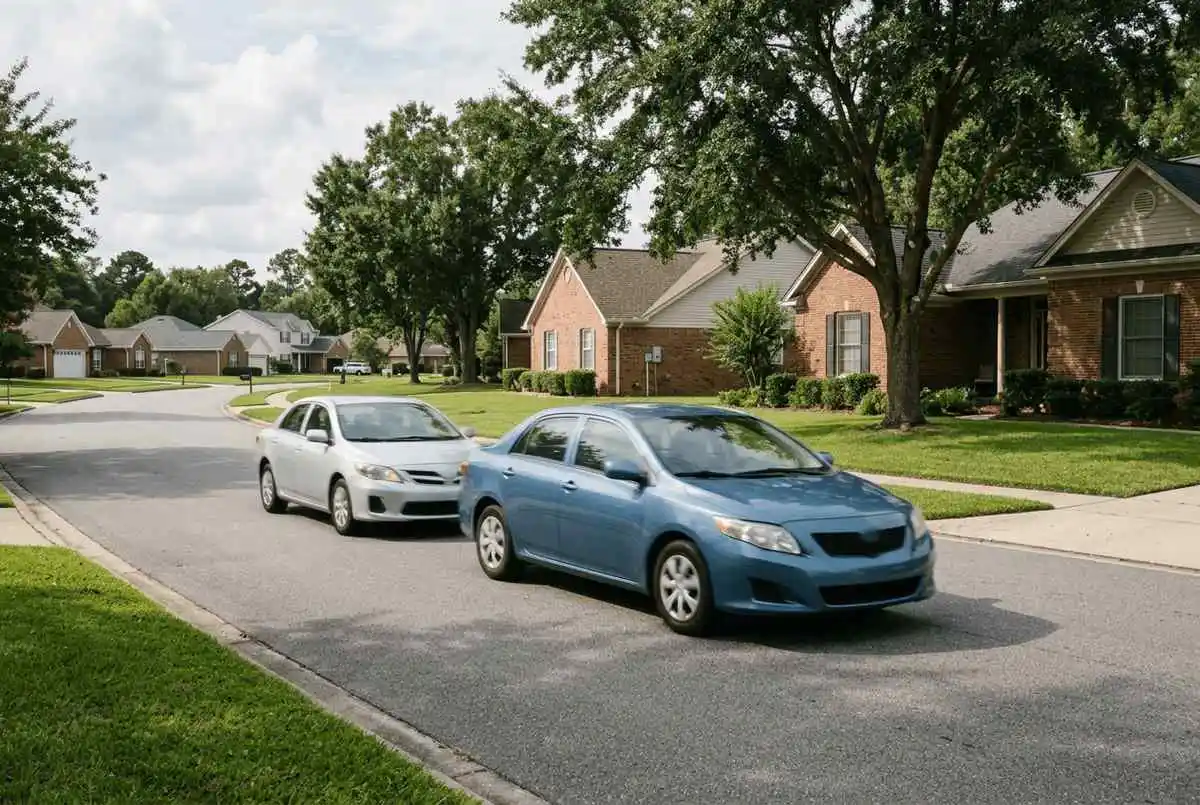
    How Long Should Brake Pads Really Last? The Answer Depends on How You Drive in Clintonville and Columbus, OH Image

    When drivers search online for how long brake pads should last, they usually see a broad answer like “30,000 to 70,000 miles.” The truth is much more complicated, especially for drivers navigating Clintonville, Columbus, Upper Arlington, and the busy stop-and-go roads around The Ohio State University area.

    At Clintonville Automotive Repair Service, we’ve been helping Columbus drivers protect their vehicles since 1962. Located on Oakland Park Avenue in Clintonville, our ASE-certified technicians work on all passenger cars and trucks, offering everything from preventative maintenance to major engine and transmission repairs. Our philosophy has always been simple: provide transparent, honest recommendations while helping customers plan for the long-term life of their vehicles.

    One of the most common misconceptions we hear is: > “My brakes shouldn’t need replacing yet.”

    But brake pad lifespan depends heavily on:

    • Your driving style

    • The type of vehicle you drive

    • Columbus traffic conditions

    • Weather and road salt exposure

    • The quality of brake components installed

    If you’ve been wondering whether your brakes are wearing out too quickly, or lasting longer than expected, here’s what every Columbus-area driver should know.

    What Actually Determines Brake Pad Lifespan?

    Why OSU and Columbus City Driving Destroys Brake Pads Faster

    Not all driving environments are equal when it comes to brake wear. Drivers around Clintonville and Columbus often experience faster brake wear simply because of local traffic patterns.

    Areas near:

    • The Ohio State University campus

    • High Street

    • Downtown Columbus

    • North Broadway

    • Henderson Road

    Create constant stop-and-go traffic that forces drivers to brake far more frequently than suburban or highway commuters.

    Short trips around Columbus can also create additional moisture buildup and surface rust on brake rotors during winter months. Combined with road salt exposure, this accelerates corrosion and increases wear on brake hardware.

    Drivers who frequently commute through busy urban traffic may replace brake pads significantly sooner than drivers who spend most of their time on highways.

    According to industry testing, brake rotors can exceed 1,000°F during aggressive braking situations. Excessive heat cycling like this gradually breaks down brake pad material and can lead to rotor glazing, vibration, and reduced stopping performance over time.

    What Actually Determines Brake Pad Lifespan?

    Brake pads are designed to wear down gradually over time, but no two drivers wear them out at the same rate.

    Your Driving Habits Matter More Than Mileage

    A driver commuting mostly on highways around Columbus may get 60,000 miles or more from a set of brake pads. Meanwhile, someone driving through Clintonville traffic every day could wear out brakes much sooner.

    Frequent Hard Braking Accelerates Wear

    Aggressive driving habits generate excessive heat. Every time you slam on the brakes, friction transfers heat into the pads and rotors.

    Over time, this can:

    • Harden brake pad material

    • Warp rotors

    • Create uneven pad wear

    • Reduce stopping performance

    Stop-and-Go Traffic Is Tough on Brakes

    Drivers near:

    • OSU campus

    • High Street

    • Downtown Columbus

    • East Linden

    Often brake significantly more than suburban highway commuters.

    That constant braking shortens brake pad life dramatically.

    Vehicle Size and Weight Play a Huge Role

    Larger vehicles naturally require more braking force.

    Trucks and SUVs Wear Brakes Faster

    Heavier vehicles:

    • Create more friction

    • Generate more heat

    • Put extra stress on rotors and calipers

    Drivers carrying tools, equipment, or passengers regularly may also notice faster wear.

    Not All Brake Pads Are Equal

    Many drivers don’t realize brake pad quality varies enormously.

    Ceramic Brake Pads

    • Quieter operation

    • Lower brake dust

    • Longer lifespan

    • Better for everyday driving

    Semi-Metallic Brake Pads

    • Strong stopping power

    • Better for towing or performance

    • Can wear rotors faster

    • Often noisier

    Cheap Economy Pads

    This is where many brake jobs go wrong.

    Low-quality pads may:

    • Wear unevenly

    • Squeal excessively

    • Create heavy brake dust

    • Damage rotors prematurely

    At our Clintonville shop, we regularly see “budget brake jobs” that end up costing drivers far more later. That’s why professional brake repair in Columbus, OH should always include quality components and a complete system inspection, not just replacing pads.

    Ohio Weather Is Hard on Braking Systems

    Columbus winters create unique challenges for brakes.

    Road Salt Causes Corrosion

    Salt and moisture accelerate:

    • Rotor rust

    • Caliper corrosion

    • Brake hardware seizure

    Even vehicles with low mileage can develop braking issues simply due to environmental exposure.

    If rust or heat damage affects your braking surfaces, professional brake rotor service can help restore safe stopping performance and prevent uneven wear.

    Expert Tip From an ASE-Certified Mechanic

    If your vehicle sits for long periods during winter, surface rust can build up quickly on brake rotors. Regular driving helps keep braking surfaces clean and prevents premature corrosion.

    Warning Signs Your Brake Pads May Be Failing

    Many drivers ignore early brake symptoms until repairs become expensive.

    Catching problems early can save hundreds of dollars.

    Squealing Brakes

    Brake pads often contain wear indicators that create a squealing sound when pads become thin.

    If you hear:

    • high-pitched squealing

    • scraping

    • grinding

    It’s time for an inspection immediately.

    Grinding Means Metal-on-Metal Contact

    Once pads wear completely through, metal backing plates grind directly against rotors.

    That can rapidly destroy:

    • Rotors

    • Calipers

    • Wheel bearings in severe cases

    Steering Wheel Vibrations While Braking

    Many drivers assume vibration means “warped rotors.”

    In reality, several problems can cause pulsation:

    • Uneven rotor deposits

    • Overheated braking surfaces

    • Sticking calipers

    • Improper wheel torque

    A professional inspection matters because replacing rotors alone may not solve the root issue.

    Soft or Spongy Brake Pedal

    If your brake pedal feels:

    • soft

    • low

    • inconsistent

    There could be:

    • air in the brake lines

    • brake fluid contamination

    • hydraulic system issues

    Brake fluid naturally absorbs moisture over time, reducing braking performance and increasing internal corrosion.

    Pulling to One Side While Braking

    This symptom often points to:

    • frozen calipers

    • uneven pad wear

    • hydraulic imbalance

    Ignoring this issue can quickly lead to unsafe stopping conditions.

    What We Check During a Professional Brake Inspection

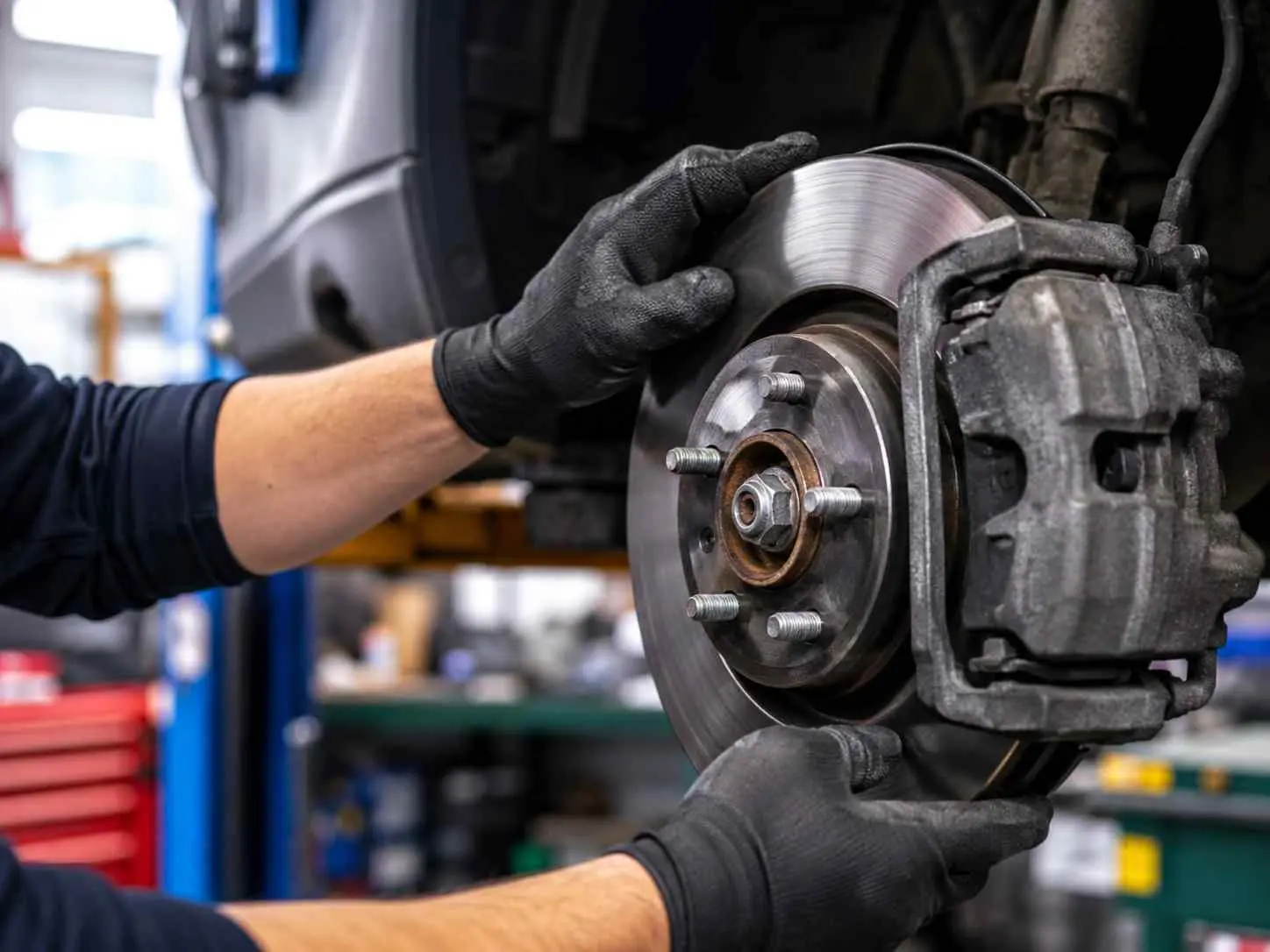
    At Clintonville Automotive Repair Service, a complete brake inspection involves far more than simply checking brake pad thickness.

    Our ASE-certified technicians inspect:

    • Brake pad thickness and wear patterns

    • Rotor condition and rotor runout

    • Brake fluid contamination levels

    • Caliper operation and hydraulic pressure balance

    • Brake hose condition

    • Caliper slide pin lubrication

    • Brake hardware wear and corrosion

    • Signs of brake pad glazing or uneven friction material transfer

    This detailed inspection process helps identify small issues before they become expensive repairs.

    Mini FAQ: How Often Should Brakes Be Inspected?

    Q: Should brakes be checked during oil changes?

    Absolutely.

    Routine inspections help identify:

    • uneven wear

    • fluid leaks

    • rotor damage

    • failing hardware

    Before major repairs become necessary.

    Q: Can brake pads wear unevenly?

    Yes, and it’s extremely common.

    Uneven wear often indicates:

    • caliper problems

    • hardware binding

    • suspension issues

    Why Preventative Brake Service Saves Columbus Drivers Money

    Preventative maintenance is almost always less expensive than emergency repairs.

    At Clintonville Automotive Repair Service, we focus heavily on helping customers avoid costly breakdowns through proactive vehicle care.

    Delaying Brake Repairs Gets Expensive Fast

    Replacing brake pads early is relatively affordable.

    Waiting too long may also require:

    • rotor replacement

    • caliper replacement

    • brake fluid flushing

    • ABS system repairs

    A simple brake service can quickly turn into a much larger repair bill.

    Scheduling routine brake repair services before major wear occurs can dramatically extend the life of your braking system.

    Heat Is the Enemy of Your Brake System

    Every braking event generates heat.

    Excessive heat causes:

    • rotor glazing

    • cracking

    • brake fade

    • reduced stopping ability

    Drivers in heavy Columbus traffic experience more heat cycling than rural highway drivers.

    Brake Fluid Maintenance Is Commonly Overlooked

    Many drivers never replace brake fluid until major problems occur.

    Over time, brake fluid absorbs moisture, which:

    • lowers boiling point

    • reduces braking efficiency

    • increases corrosion inside brake components

    Routine brake fluid service can dramatically extend system lifespan.

    Expert Mechanic Insight

    Modern brake systems are far more complex than many drivers realize. Even small issues like seized caliper slide pins or uneven friction material transfer can create steering vibration, uneven wear, and premature rotor damage.

    Brake pulsation is not always caused by “warped rotors.” In many cases, the real issue involves uneven pad deposits caused by excessive heat or improper bedding procedures.

    Hydraulic pressure imbalance can also create pulling during braking, especially when calipers begin sticking internally.

    Experienced diagnostic inspections matter because replacing parts without identifying the root cause often leads to repeat failures.

    Expert Mechanic Insight

    We often see vehicles needing expensive caliper replacements simply because contaminated brake fluid was never serviced.

    Preventative maintenance protects the entire braking system, not just the brake pads.

    Convenience Matters for Busy Columbus Drivers

    We understand brake problems rarely happen at convenient times.

    That’s why Clintonville Automotive Repair Service offers:

    • after-hours pickup and drop-off lockbox

    • text-to-pay options

    • rental vehicle availability

    • nationwide 3-year/36,000-mile warranty

    These conveniences help make repairs easier for drivers throughout:

    • Clintonville

    • Upper Arlington

    • Old North Columbus

    • East Beechwold

    • Clinton Estates

    Frequently Asked Questions About Brake Repair in Columbus, OH

    How much does brake repair cost in Columbus?

    Brake repair costs vary depending on vehicle type, brake pad quality, rotor condition, and whether additional repairs are needed. Replacing brake pads early is typically far less expensive than waiting until rotors, calipers, or hydraulic components become damaged.

    How often should brake fluid be changed?

    Most manufacturers recommend brake fluid service every 2 to 3 years, but Columbus weather conditions and driving habits can affect that timeline. Moisture contamination inside brake fluid can reduce braking performance and increase corrosion inside the braking system.

    Can I drive with squealing brakes?

    Squealing brakes should never be ignored. While some noise can be caused by moisture or brake dust, persistent squealing often indicates worn brake pads or hardware problems that require inspection.

    How long do brake rotors last?

    Brake rotor lifespan depends on driving habits, heat exposure, and brake pad quality. Aggressive braking, towing, and stop-and-go Columbus traffic can shorten rotor life significantly.

    Schedule Trusted Brake Service in Clintonville, OH

    Whether your brakes are squealing, vibrating, or simply overdue for inspection, early attention can help you avoid much larger repairs later.

    For over 60 years, Clintonville Automotive Repair Service has built a reputation in Columbus for:

    • honest recommendations

    • comprehensive inspections

    • ASE-certified expertise

    • long-term vehicle care planning

    We’re also proud to be:

    • a NAPA AutoCare Gold Center

    • AAA Approved Auto Repair facility

    If you’re looking for trusted brake repair in Clintonville or Columbus, our experienced team is here to help keep your vehicle safe and reliable year-round.

    Schedule your brake inspection today and protect your vehicle before small brake problems become major repairs.

    Send Us A Message

    *Required
    • Protect Your Vehicle: How Columbus Weather Can Damage Your Car Year-Round

      Protect Your Vehicle: How Columbus Weather Can Damage Your Car Year-Round

      Living in Columbus means experiencing all four seasons, each with its own impact on your vehicle’s performance and longevity. From icy roads and freezing mornings to scorching summers and wet spring days, Ohio’s weather keeps your car constantly adapting.

      At Clintonville Automotive Repair Service, we have seen firsthand how seasonal changes affect everything from your battery to your brakes. As a top-rated auto repair shop in Columbus, OH, we want to keep drivers informed and safe.

      For more information or to book an appointment, visit us at clintonvilleauto.com. Here is your season-by-season guide to keeping your car road-ready, no matter the conditions.

      Winter Woes: Battling Cold and Salt

      Winter in Columbus is tough on vehicles. Frigid temperatures, road salt, and icy conditions challenge your car’s most critical systems.

      Watch out for:

      • Battery Drain: Cold temperatures slow battery reactions, making starts harder.
      • Low Tire Pressure: Tires contract in the cold, lowering PSI and reducing fuel efficiency.
      • Frozen Wiper Blades: Ice can crack rubber and limit visibility during storms.
      • Road Salt Corrosion: Salt protects roads but damages undercarriages and brake lines over time.

      Winter Tips:

      • Check your battery and replace it if it is older than three years.
      • Keep tires inflated to factory specifications.
      • Use winter-grade windshield washer fluid to prevent freezing.
      • Get regular undercarriage washes to remove salt buildup.

      Spring Surprises: Thawing Out the Wear and Tear

      Spring may bring flowers, but it also uncovers problems caused by winter’s harsh conditions. Melting snow and spring rains introduce new challenges while revealing old damage.

      Common Issues:

      • Suspension Damage: Winter potholes can bend or misalign suspension components.
      • Worn Wipers: Cold and ice often leave blades streaky or noisy.
      • Brake Wear: Moisture and salt accelerate rust on critical brake parts.

      Spring Tips:

      • Have your brakes and suspension inspected for winter damage.
      • Replace worn-out wiper blades for clearer vision.
      • Rotate your tires and check alignment for even wear.
      • Schedule a spring vehicle inspection in Columbus, OH to catch hidden issues early.

      Summer Strain: Heatwaves and Highways

      Ohio summers bring extreme heat, which can cause vehicles to overheat and fluids to degrade faster. Prolonged sun exposure also wears down interior and exterior components.

      What to Watch:

      • Overheating Engines: High temps plus low coolant create breakdown risk.
      • A/C Stress: Heavy use strains compressors and depletes refrigerant.
      • Tire Blowouts: Heat expands air in underinflated tires, increasing blowout risk.
      • Battery Overload: Excessive heat can shorten battery life.

      Summer Tips:

      • Check coolant and radiator levels regularly.
      • Have your A/C system inspected for optimal performance.
      • Inspect tire tread and maintain proper pressure monthly.
      • Park in the shade or use sunshades to prevent UV damage.
      • Ask about preventative car maintenance services in Columbus, OH to keep your vehicle running cool.

      Fall Prep: The Season of Prevention

      Fall is the perfect time to prepare your vehicle for the colder months ahead. Falling leaves, early frosts, and rainy weather can create new hazards.

      Key Checks:

      • Brake System: Wet roads reduce traction, making brakes a top priority.
      • Heater and Defroster: Essential for comfort and visibility as temps drop.
      • Fluids: Ensure coolant, brake fluid, transmission fluid, and oil are topped off.
      • Lights and Wipers: Shorter days and rain demand strong visibility tools.

      Fall Tips:

      • Schedule a brake inspection before winter sets in.
      • Test your heater and defroster early.
      • Top off all vehicle fluids and replace dirty ones.
      • Check all lights and replace bulbs as needed.
      • Find trusted mechanics in Clintonville, OH to prep your car before the first freeze.

      Columbus Cars Need Year-Round Care

      Whether you are cruising through Clintonville in July or navigating icy mornings in Linden, your car needs seasonal maintenance to stay reliable.

      At Clintonville Automotive Repair Service, our ASE-certified auto technicians in Columbus handle everything from tire rotations and fluid checks to brake repairs and diagnostics.

      ✅ Ready for a seasonal checkup? Trust our team to keep your vehicle in peak condition all year long.

      🔧 Visit us at: clintonvilleauto.com
      📞 Call us at: 614-263-5551
      🚗 Proudly serving Columbus drivers since 1962.

      02/10/2026Read more
    • Transmission Trouble? Here's How to Spot Early Signs Before It Gets Expensive

      Transmission Trouble? Here's How to Spot Early Signs Before It Gets Expensive

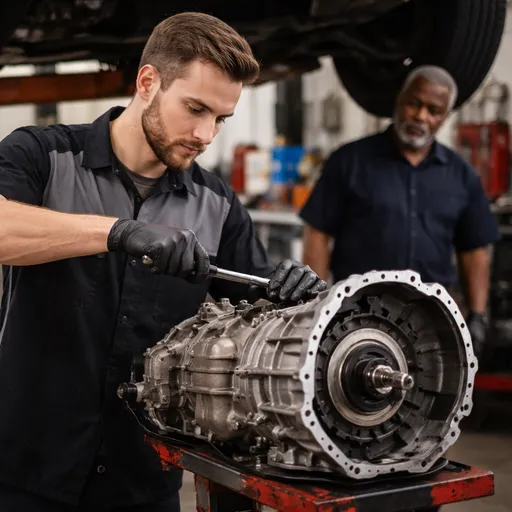
      Your vehicle’s transmission is like the brainstem of your car’s drivetrain. It connects power from the engine to the wheels, ensuring smooth acceleration, safe gear shifting, and fuel efficiency.

      But when it starts to fail, it can turn into one of the most expensive repairs you'll face. The good news is that many transmission issues offer early warning signs if you know what to look for.

      Whether you're driving through Clintonville, commuting across Columbus, or just heading down the block, it pays to catch these symptoms early. Let’s break down how you can identify potential transmission repair problems, what causes them, and how to prevent major repairs down the road.

      Top Signs Your Transmission Needs Attention

      Ignoring early warning signs can cost you thousands in repairs. Here are the most common red flags to watch for.

      1. Slipping Gears

      If your car unexpectedly slips in and out of gear or feels like it’s struggling to stay in gear, you could be dealing with worn components or low fluid pressure.

      2. Delayed or Rough Shifting

      Feeling a jerk when shifting or a long pause before the car moves forward? These are signs your transmission may be hesitating due to degraded fluid or internal issues.

      3. Unusual Noises

      Grinding, humming, or whining sounds while driving could indicate internal wear and should not be ignored.

      4. Leaking Transmission Fluid

      Transmission fluid should never leak. If you notice red or dark puddles under your car, it’s time for an inspection.

      5. Burning Smell

      Overheating transmission fluid gives off a burnt odor. This often signals low fluid levels or excessive friction inside the transmission.

      6. Warning Lights

      Don’t ignore your check engine or transmission warning light. Sensors may detect problems long before you feel them.

      What Causes Transmission Problems?

      Transmission issues are rarely random. They usually stem from common problems that escalate if left unchecked.

      • Low or Dirty Transmission Fluid: The #1 cause of transmission issues.
      • Neglected Maintenance: Skipping inspections and fluid changes leads to compounded damage.
      • Worn Internal Parts: Clutches, gears, and solenoids wear out over time.
      • Overheating: Towing and stop-and-go traffic can shorten transmission life.
      • Driving Habits: Sudden starts and aggressive shifting increase stress.

      How Columbus Drivers Can Extend Transmission Life

      • Schedule Fluid Checks: Follow your maintenance schedule.
      • Look for Leaks: Spotting fluid early prevents major repairs.
      • Listen to Your Vehicle: Sounds and shifting changes are early warnings.
      • Drive Smoothly: Gradual acceleration and braking extend lifespan.
      • Get Routine Inspections: Problems are cheaper to fix early.

      Why Choose Clintonville Automotive Repair?

      Since 1962, Clintonville Automotive Repair has provided Columbus with trusted service and expert diagnostics, including transmission repair.

      • Digital Vehicle Inspections with photos and notes
      • Clear and honest communication
      • Service on all makes and models
      • Decades of trust in the community

      Ready to Get Your Transmission Checked?

      Don’t wait for a minor issue to become a major transmission failure. Schedule an inspection today.

      📞 Call Clintonville Automotive Repair at (614) 263-5551
      🌐 Visit clintonvilleauto.com


      Serving Clintonville, Linden, Upper Arlington, and Columbus, OH with expert repair since 1962.

      Frequently Asked Questions (FAQ)

      Q: How often should I get my transmission fluid changed?
      A: Most manufacturers recommend every 30,000–60,000 miles, depending on driving conditions.

      Q: Can I drive with a slipping transmission?
      A: It’s risky and can lead to complete failure. Get it inspected ASAP.

      Q: What does it cost to repair a transmission?
      A: Minor repairs may cost $150–$500, while rebuilds can cost several thousand.

      Q: What type of transmission fluid should I use?
      A: Always use the type listed in your owner’s manual.

      Q: Is transmission service covered by warranty?
      A: Some powertrain warranties include transmission repairs. Check your policy.

      02/10/2026Read more

    We are a Digital Shop

    The Clintonville Automotive Repair Service technicians use the latest technology to not only tell you if there are any issues with your vehicle, but show you. If we uncover an issue the photo will be e-mailed to you for your records. At the end of every visit you will receive a detailed report regarding the general health of your vehicle. Our #1 goal is to keep you safe on the road.

    Read more
    • Napa 23 Backgroundless 41923
    • NAPA Warranty 2024- ONLY USE THIS ONE.
    • AAA Correct Logo- USE THIS ONE
    Google Maps is loading